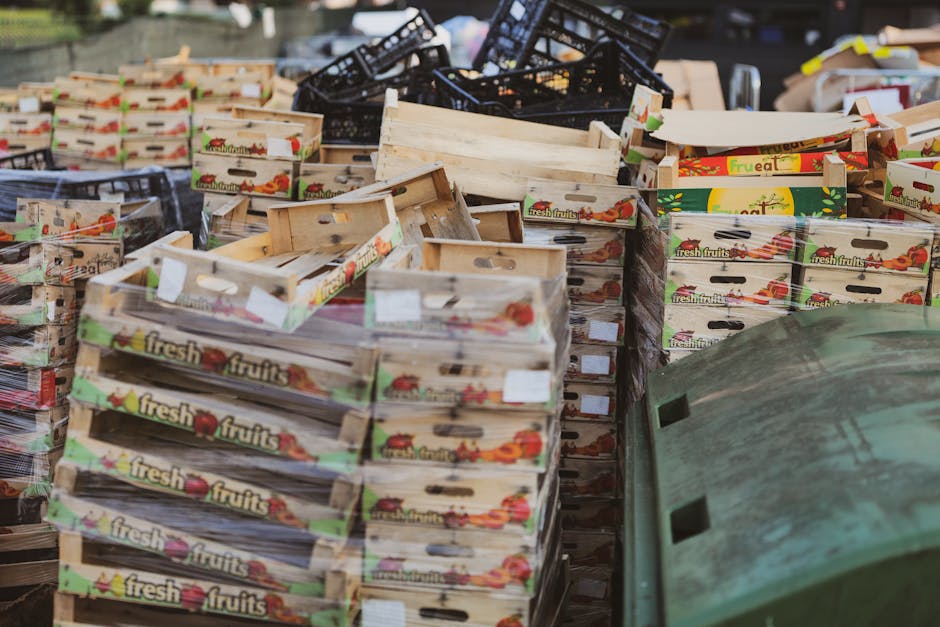
Avoid hidden rubbish removal charges in Wood Green
Rubbish removal should feel simple: you point to the mess, the team loads it, and the price stays the price. Yet plenty of people in Wood Green have had the opposite experience. A quote looks fine at first, then extra charges appear for labour, access, heavy items, sorting, or "unexpected" waste. If you want to avoid hidden rubbish removal charges in Wood Green, the trick is not luck. It is knowing what to ask, what to check, and what a proper quote should actually include.
This guide breaks the process down in plain English. You will learn where hidden charges usually come from, how to compare quotes properly, and what details to confirm before anyone turns up outside your home, flat, office, or building site. It is practical, local, and written to help you make a calmer decision - which, let's face it, is usually what you need when the spare room already looks like a small skip.
Table of Contents
- Why this matters in Wood Green
- How rubbish removal pricing usually works
- Key benefits of choosing transparent pricing
- Who needs this and when it makes sense
- Step-by-step guidance before you book
- Expert tips for clearer quotes
- Common mistakes to avoid
- Tools, resources and recommendations
- Law, compliance and best practice
- Options and comparison
- Real-world example
- Practical checklist
- Conclusion
- Frequently asked questions
Why Avoid hidden rubbish removal charges in Wood Green Matters
Hidden charges are not just annoying. They can turn a tidy clearance into a messy dispute. In a busy place like Wood Green, where people often need quick help for flats, terraces, shops, offices, and small building projects, the risk is higher because jobs are often quoted fast and booked even faster.
The problem usually starts with vague wording. A company says "from GBPX" but does not explain what is included. Or it gives a low phone estimate without asking about access, floor level, parking, weight, item type, or how much loading time is needed. Then the bill changes on the day. Sometimes the extra cost is valid. Sometimes it is simply poor quoting. Either way, the customer feels trapped.
That matters because waste removal is supposed to solve a problem, not create one. If you are already dealing with a packed loft, a stressed landlord, a flat clearance deadline, or a builder's skip that is overflowing, you do not want invoice drama as the final act.
Expert summary: the safest approach is to compare like with like, confirm what is included in writing, and make sure the quote reflects the real job rather than a best-case guess.
How Avoid hidden rubbish removal charges in Wood Green Works
The cleanest rubbish removal quotes usually follow a simple pattern. First, the company asks what you want removed. Then it checks the access and the type of waste. After that, it gives a price based on volume, labour, disposal category, and any special handling needed. Simple in theory. Not always simple in practice.
Most hidden charges appear when one of those steps is skipped. For example, a quote may cover "general waste" but not mixed materials from a renovation. It may include lifting items from the kerb but not carrying them down two flights of stairs. It may price a single bulky item, then add a surcharge because the mattress was damp, the sofa was oversized, or the fridge needed specialist handling. The job was not "wrong" exactly - it was just not described properly in the first place.
To avoid that, think in layers:
- Waste type - household rubbish, furniture, garden waste, builders' debris, electrical items, or hazardous material all behave differently.
- Volume - a small van load is not the same as half a room full of mixed junk.
- Access - ground floor, basement, narrow stairs, controlled entry, parking distance, and lift availability all matter.
- Labour - how long the crew will need to carry, sort, and load the waste.
- Disposal costs - some loads cost more to process, particularly if items must be separated or handled carefully.
That last point is where many people get caught out. A "cheap" quote can look attractive until it is clear the company has not accounted for proper disposal. A transparent provider will usually explain the assumptions behind the price, not hide them in tiny print. For more detail on how pricing is presented, you can review the site's pricing and quotes information.
Key Benefits and Practical Advantages
Transparent pricing is not only about saving money, although that is obviously a big part of it. It also saves time, reduces friction, and makes it much easier to plan a clearance properly.
- No nasty surprises: you know the likely total before the van arrives.
- Faster decisions: you can compare offers without decoding vague sales language.
- Better planning: if you know the cost depends on access or load size, you can prepare the property in advance.
- Lower dispute risk: clear terms mean fewer awkward conversations at the door.
- More suitable service matching: the right provider can recommend the right service for furniture, garden waste, builders' materials, or office clearance.
There is also a quieter benefit: peace of mind. When you are clearing a family home, emptying a garage, or getting a flat ready for a new tenant, you already have enough going on. Not having to second-guess the invoice is worth a lot.
For larger or more specific jobs, it can help to choose a service designed around the waste type. For example, house clearance, office clearance, builders waste clearance, and garden clearance all involve different risks and cost drivers.
Who This Is For and When It Makes Sense
This topic matters to almost anyone arranging waste removal, but it is especially relevant if you fall into one of these groups:
- Homeowners clearing clutter, lofts, garages, or full houses
- Renters and flat occupants who need a quick, affordable move-out clearance
- Landlords and letting agents dealing with end-of-tenancy rubbish
- Builders and tradespeople who need debris removed without delay
- Small businesses disposing of office contents, filing, or bulky items
- People with bulky furniture or appliances that are too awkward to move alone
It also makes sense whenever timing is tight. If a property handover is due tomorrow, if a shop needs a back room cleared before opening, or if a builder cannot leave rubble on site overnight, the last thing you need is a pricing row.
Truth be told, people often only think about hidden charges after they have already booked. That is understandable. Most of us are trying to get the job done quickly. But a few minutes of checking now can save a fair bit of money later.
Step-by-Step Guidance
If you want the most reliable way to avoid hidden rubbish removal charges in Wood Green, follow this sequence before you confirm anything.
1. Make a proper list of what needs to go
Write down the items rather than saying "some rubbish". Include bulky pieces, bagged waste, heavy items, broken furniture, appliances, and anything potentially awkward. A small list is much easier to quote accurately than a vague description.
2. Take a quick photo of the load
Photos help the provider see volume, weight, and type of material. If the waste is spread across several rooms or tucked into a loft, send a few different angles. One blurry photo of a sofa leg is not exactly helpful, is it?
3. Describe the access honestly
Say whether the items are upstairs, in a basement, behind a locked gate, through a narrow hallway, or far from parking. If there is no lift, say so. If a van cannot stop close to the entrance, mention that too. Access surprises are a classic source of extra fees.
4. Ask what the quote includes
Good questions to ask:
- Does the price include labour and loading?
- Is there a charge for stairs or difficult access?
- Are disposal fees included?
- Does the quote cover all item types listed?
- Could the price change on arrival, and if so, why?
5. Check whether any items need special handling
Some loads require separate treatment, especially fridges, appliances, and anything that could be classed as hazardous. If in doubt, ask rather than guessing. You can also look at pages such as fridge and appliance removal or hazardous waste disposal to understand how specialist items are handled.
6. Confirm the payment method and timing
Some hidden charges creep in through payment confusion. Ask whether payment is due before the job, on completion, or by invoice. Check if card, bank transfer, or another method is accepted, and whether any admin fee applies.
7. Keep the agreed price in writing
Email is usually enough. A short written summary of what was agreed can prevent debate later. No need for legal drama over a pile of old cupboards.
Expert Tips for Better Results
Here are the small details that tend to make the biggest difference.
- Be specific about mixed waste. Mixed loads often cost more than single-stream waste because they take longer to sort and process.
- Ask about minimum charges. Some companies price by load size, but still apply a minimum call-out or minimum load value.
- Check whether the quote assumes easy access. "Ground floor only" pricing is common, even if it is not said very loudly.
- Use one point of contact. If several people are describing the job differently, the quote can drift.
- Separate reusable items if possible. This can make the load simpler and sometimes cheaper, though it depends on the provider and the items involved.
- Know your collection window. If you need same-day or out-of-hours service, say so early. Urgency can affect price.
If you want a more organised service journey, it helps to choose a provider that explains process clearly. The pages on waste removal, home clearance, and flat clearance can be useful starting points for understanding service scope.
A small human tip: if the quote sounds unusually cheap, pause. Cheap can be fine. Suspiciously cheap is another matter entirely.
Common Mistakes to Avoid
This is where many people trip up. Not because they are careless, just because the whole process is easy to rush.
- Describing waste too loosely. "A few bits and bobs" can mean very different things to different people.
- Forgetting about stairs, parking, or lifts. These details often matter more than the waste itself.
- Assuming all items are treated the same. A mattress, a fridge, and a bag of old paper are not priced in the same way.
- Not asking whether the price is fixed. If the quote can change, you need to know the conditions.
- Ignoring the small print. It is boring, yes. Still worth it.
- Choosing only on headline price. The cheapest quote may exclude labour, disposal, or access-related work.
There is another subtle mistake: not checking whether a company suits the type of clearance you actually need. A garden job and an office move-out are both "waste removal", but the practical realities are different. The right service page can help you match the job more closely, whether that means garage clearance, loft clearance, or office clearance.
Tools, Resources and Recommendations
You do not need fancy software or specialist equipment to avoid hidden charges. A few simple tools are usually enough:
- Phone camera: for photos of the waste, access route, and any awkward items.
- Notes app or checklist: to record what was agreed.
- Rough room measurements: useful if the load fills part of a loft, garage, or room.
- Access notes: floor level, gate codes, parking restrictions, and lift availability.
- Payment confirmation: helpful for keeping a clear record.
On the website, a few pages are especially useful for planning a cleaner, lower-risk booking:
- Pricing and quotes for understanding how jobs are priced
- Payment and security for payment expectations
- Recycling and sustainability if you want the waste handled responsibly
- What can go in a skip if you are comparing clearance and skip-style options
- Insurance and safety for extra reassurance on site
If you are a business customer, it is also worth reviewing business waste removal so you understand how commercial jobs are approached. Offices and shops often generate bulky, mixed, or confidential waste, which can change the price structure quite a bit.
Law, Compliance, Standards, or Best Practice
Waste disposal in the UK is not something to take casually. You do not need to become an expert overnight, but you should expect any provider you use to operate responsibly and to handle waste in line with normal UK expectations. That generally means clear descriptions of what is being removed, safe handling, and proper disposal routes.
For customers, the most practical best practice is simple: do not hand over waste without understanding how it will be dealt with, especially if the load contains electrical items, sharp materials, or anything that may need special care. If you are unsure whether something is hazardous, ask before collection rather than after.
For business clients, documentation matters even more. You may need a clearer paper trail for record-keeping, and you should be extra careful with confidential materials. In that case, confidential shredding may be relevant alongside general clearance.
It is also sensible to check a provider's public-facing policies when you want reassurance about service standards. Pages such as health and safety policy, complaints procedure, and about us can help you judge how seriously a company treats process and accountability.
In short: clear pricing and proper waste handling usually go together. If one is vague, the other often is too.
Options, Methods, or Comparison Table
If you are deciding how to clear rubbish in Wood Green, there are usually a few ways to do it. Each has strengths and limitations. The best choice depends on the volume, access, urgency, and type of waste.
| Option | Best for | Potential downside | Price clarity |
|---|---|---|---|
| Booked rubbish removal | Quick clearances, bulky items, mixed loads | Can vary if access or load details are unclear | High when the quote is detailed |
| Skip hire | Longer projects, repeated loading over time | Needs space, permits may be relevant, waste type restrictions apply | Good if you know exactly what will be filled |
| DIY disposal runs | Small loads and people with suitable transport | Time-consuming, tiring, and sometimes awkward for heavy items | Variable, because fuel and disposal costs add up |
| Specialist item removal | Fridges, appliances, mattresses, sofas, or awkward single items | May involve separate handling rules or pricing | Good if item type is confirmed early |
If you are comparing clearance against container-based disposal, the page on what can go in a skip is a useful reality check. It helps you see that not everything belongs in the same bucket, literally or financially.
Case Study or Real-World Example
Imagine a small two-bedroom flat in Wood Green that needs clearing before a tenancy ends. The customer has a sofa, a broken wardrobe, several bags of mixed rubbish, an old microwave, and a pile of cardboard from a recent move. The first quote sounds cheap because it is based only on the sofa and "a few bags".
On the day, the team sees the real load. The flat is on the third floor, the lift is out of service, parking is a few minutes away, and the wardrobe has to be dismantled before it can be taken out. Suddenly the price changes. The customer feels ambushed. The provider says the original description was incomplete. Both sides probably have a point, and that is exactly the problem.
Now compare that with a better approach. The customer sends clear photos, says the flat is on the third floor, notes the lift issue, and lists the actual items. The provider gives a more realistic quote up front. It may be a bit higher than the first quote. But it is honest, and the job runs smoothly. No awkward pause at the front door. No muttering in the hallway. Just a clean handover.
That is what avoiding hidden charges looks like in practice. Not bargain hunting. Accuracy.
Practical Checklist
Use this before you confirm a booking.
- Have I listed every item that needs removing?
- Have I sent photos of the waste and access points?
- Have I said whether the job is upstairs, downstairs, or ground floor?
- Have I mentioned parking distance, steps, gates, or lift access?
- Have I asked what the quote includes?
- Do I know whether labour, loading, and disposal are included?
- Have I checked whether any item needs specialist handling?
- Do I understand the payment timing and method?
- Have I kept the agreed price in writing?
- Do I know who to contact if something changes before collection?
If you can tick most of those off, you are in a much stronger position. Simple as that.
Conclusion
Hidden rubbish removal charges are usually avoidable if you slow the process down just enough to get the details right. That means clear descriptions, honest access information, written confirmation, and a healthy scepticism toward vague "from" prices. In Wood Green, where properties and access conditions can vary wildly, that bit of care makes a real difference.
Choose the service that matches the job, ask direct questions, and do not be embarrassed to request a fuller breakdown. A proper provider will not mind. In fact, the best ones prefer it, because it helps everything run smoothly for both sides.
And once the mess is gone, the relief is immediate - the room feels bigger, the air feels lighter, and the whole place just settles down a bit. That is the real goal, after all.
Get a free quote today and see how much you can save.
Frequently Asked Questions
How do I avoid hidden rubbish removal charges in Wood Green?
Give a full list of items, send photos, explain access clearly, and ask exactly what the quote includes. Written confirmation helps too.
Why do rubbish removal quotes change on the day?
Usually because the waste description was incomplete, access was harder than expected, or some items needed special handling. Sometimes the original quote was just too optimistic.
Should labour and loading be included in the price?
They often are, but not always. You should check whether the quote covers carrying items from the property, stairs, and loading time.
Are all types of waste priced the same?
No. General rubbish, furniture, appliances, garden waste, and builders' debris can all cost differently depending on disposal and handling needs.
What details matter most when asking for a quote?
Waste type, volume, floor level, parking access, stairs, lift availability, and any bulky or awkward items are the big ones.
Is a very cheap quote always a bad sign?
Not necessarily, but if it is much lower than others and the inclusions are vague, be cautious. A low headline price can hide add-ons.
Do I need photos before booking rubbish removal?
Photos are strongly recommended. They help the provider estimate the load properly and reduce the chance of surprise charges.
What counts as a special item?
Fridges, appliances, mattresses, sofas, and any potentially hazardous waste can fall into a special category depending on the job.
Can I get a fixed price?
Often yes, if the waste description and access details are clear enough. Fixed prices are easier to manage than estimates.
What should I check in the terms and conditions?
Look for what is included, when the price can change, payment timing, and any extra charges for access, item type, or minimum load value.
Is rubbish removal different for businesses?
Yes, business jobs often involve office furniture, confidential materials, or larger mixed loads, so pricing and handling can differ.
What if I am not sure whether something is hazardous?
Ask before collection. Do not guess. Hazardous items need careful handling and may affect both price and disposal method.
Can transparent pricing still be affordable?
Absolutely. Clear pricing is not about being expensive; it is about avoiding hidden extras and getting a quote that reflects the real job.
Where can I learn more before I book?
Pages on pricing and quotes, payment and security, and recycling and sustainability are useful starting points for making a confident decision.